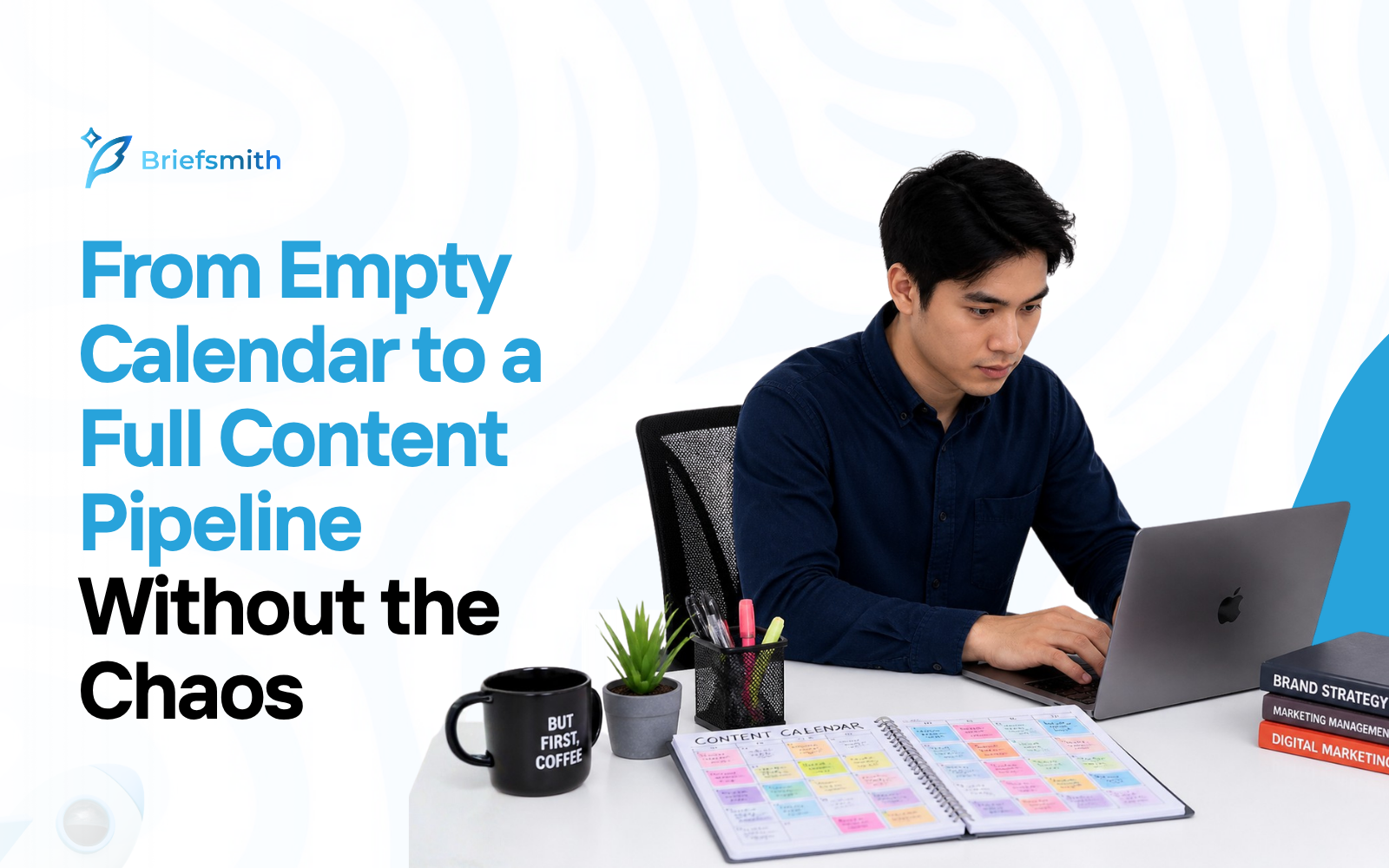
Discover the Best Content Planning Tools Behind Top-Ranking Content

Top-ranking brands seem to publish the right content at the right time with the right keywords. However, it’s not magic.
It’s content planning. Smart, strategic, data-backed content planning.
And behind every high-performing blog or landing page, there’s a tool (or several) doing the heavy lifting. Because relying on instinct alone? That’s a quick way to end up on page 7 of Google with the internet’s forgotten content.
Today, we’re diving deep into the best content planning tools that help businesses build rankings, not just publish posts. Whether you’re a solo creator, a growing marketing team, or a full-scale content operation, the right tools can turn chaos into clarity, and your content into clickable, rankable gold.
Let’s explore the systems, dashboards, and SEO content planning tools that shape winning content strategies.
Why Content Planning Matters More Than Ever
You can write beautifully. You can publish often. You can cover topics that feel useful.
But if your content doesn’t map to search intent, keyword opportunities, and your audience’s actual questions? It won’t move. Not in search results. Not in conversions. Not in visibility.
This is why the best content planning tools matter. They help you:
- Identify high-value keywords
- Map those keywords to topics
- Understand content gaps
- Pin down search intent
- Build predictable content workflows
- Repurpose what already works
- Scale smarter, not harder
In short: content planning tools turn guessing into strategy.
Let’s break down the best ones in the game.
1. Briefsmith: The All-in-One Content Planning + SEO Brief Tool
If content planning had a main character, Briefsmith would be it.
It blends SEO strategy, content structuring, keyword mapping, and repurposing into one clean experience. No tabs. No chaos. No spreadsheets that haunt you at night.
Why Briefsmith Stands Out:
SEO Briefs That Don’t Feel Like Homework
Briefsmith creates structured SEO briefs in minutes, including search intent, key subtopics, suggested headers, internal links, and a clean outline. No more overcomplicating content strategies with 12 tools when one can do the job.
Keyword Mapping That Actually Makes Sense
Filter, group, and map keywords without drowning in exported CSV files. Perfect for long-term search optimization planning.
Repurpose Content Everywhere
Turn blogs into scripts. Turn scripts into social posts. Turn posts into emails.
Your content suddenly becomes a shape-shifter.
Built-In Audio Narration
Got a blog you want to publish and turn into a narrated version?
Click. Convert. Done.
Team-Friendly & Workflow Ready
Writers, editors, strategists, everyone stays aligned with a brief that’s clear, structured, and SEO-first.
If you’re looking for a tool that handles content planning strategies for SEO without overwhelming you, Briefsmith is one of the easiest wins.
2. Ahrefs: Deep Keyword and Competitor Insights
Ahrefs is the detective agency of SEO tools.
If your mission is to uncover what competitors rank for, what people are searching for, and where the ranking opportunities are, Ahrefs is essential.
Best for:
- Keyword discovery
- Competitor content analysis
- Backlink audits
- SERP intent studies
- Content gap analysis
You get a real-time sense of what’s working in your niche and what’s completely untapped. When building a content plan, this kind of clarity saves hours, and often prevents massive misfires.
3. Notion: Content Calendar + Process Organizer
Notion isn’t built specifically for SEO, but content teams swear by it.
Why creators love Notion:
- Flexible content calendar templates
- Easy knowledge-sharing and documentation
- Collaborative content pipelines
- Customizable SEO checklists
Pair Notion with keyword-focused tools like Briefsmith and Ahrefs, and you’ve got a planning environment that keeps everyone aligned without corporate clutter.
4. Surfer SEO: SERP-Style Content Optimization
Surfer SEO gives real-time optimization suggestions based on top-ranking competitors. This makes it useful for final-stage on-page optimization, especially if you’re producing content at scale.
Best for:
- Content scoring
- On-page improvements
- SERP-based guidelines
- Quick-win optimizations
Surfer is powerful, though it can be a bit heavy-handed. Use it with moderation and don’t let the score overshadow the quality of your writing.
5. Trello: Visual Content Workflow Management
If you prefer drag-and-drop clarity, Trello is the friendliest way to manage your content pipeline.
Why marketers use Trello:
- Visual boards for drafts, edits, and publishing
- Tagging and assignments
- Deadline reminders
- Easy collaboration
It doesn’t offer keyword data or SEO insights, so you’ll pair it with a Briefsmith or Ahrefs. But it keeps your workflow clean, simple, and consistent.
6. Google Search Console: The Reality Check
Before you publish your next 50 pieces of content, check what Google already likes about your website.
Search Console offers:
- Keyword rankings
- Click-through patterns
- Page performance
- Indexing issues
- Content decay insights
It helps you answer the question: What should I write next based on what’s already working?
And that’s the core of smart search optimization planning.
7. Grammarly: Clarity Without Guesswork
Good writing matters. Clear writing matters more. Grammarly keeps your draft polished without interfering with your voice.
Use it for:
- Grammar
- Tone clarity
- Readability
- Conciseness
Think of it as your friendly editor who never judges your overuse of commas.
8. Ubersuggest: Budget-Friendly Keyword Research
If Ahrefs feels too steep for you, Ubersuggest is a gentler entry point.
It offers:
- Keyword suggestions
- Content ideas
- Competitor analysis
- Rank tracking
Simple, clean, budget-friendly.
9. Google Trends: Real-Time Topic Demand
Google Trends helps you spot rising topics before they peak.
Use it for:
- Seasonal content planning
- Trending topic validation
- Audience behavior insights
If you’re planning content 2–3 months ahead, this is a goldmine.
How to Choose the Best Content Planning Tools for Your Team
Here’s a simple checklist:
- Start with your workflow
Do you publish weekly? Monthly? At scale?
- Identify where bottlenecks happen
Is it keyword research? Brief creation? Drafting? Repurposing?
- Pick tools that cover your biggest gaps
No need for a 12-tool toolkit. Start with 3–4 strong ones.
- Integrate your tools
Your keyword tool should fuel your brief tool.
Your brief tool should guide your content calendar.
Your optimization tool should refine your drafts.
- Keep it simple
Tools should save time, not add work.
If you need a tool that covers keyword mapping, SEO briefs, content planning, repurposing, and audio, Briefsmith lets you centralize all of it.
Final Thoughts: Great Content Isn’t Luck It’s Planning
Behind every top-ranking article is a smart plan. Behind every smart plan is a smart tool.
Whether you’re optimizing old content, building keyword clusters, or turning blogs into multi-format assets, choosing the right content planning tools gives you the power to rank consistently not occasionally.
And if you want the simplest, most streamlined way to do it all?
Start with Briefsmith.
If you want content that ranks, aligns, and converts without juggling 10 different tabs, Briefsmith is your new secret weapon.
Start planning smarter. Try Briefsmith today.
Faster briefs. Easier workflows. Higher rankings.
Related: The Best Content Planning Tools to Power Your Strategy in 2025
Frequently Asked Questions
1. What are the best content planning tools for SEO?
Briefsmith, Ahrefs, Surfer, Notion, and Google Search Console are among the top tools for SEO-focused content planning.
2. Which tool is best for keyword mapping?
Briefsmith and Ahrefs are strong choices, with Briefsmith offering structured keyword grouping tailored for content briefs.
3. How do content planning tools improve rankings?
They help you identify valuable keywords, match them to search intent, organize topics strategically, and optimize content for consistent visibility.
4. Do I need multiple tools for planning content?
Not always. An all-in-one tool like Briefsmith can simplify briefs, keyword mapping, and repurposing. You only add other tools if your workflow demands them.
5. Can I repurpose content using these tools?
Yes. Tools like Briefsmith allow repurposing blog posts into scripts, social content, audio narration, and more.